


You know the feeling: you’re cruising home on a rainy Melbourne evening when suddenly a warning light flickers on the dashboard. Cue the dread of a looming mechanic bill. In a city with its mix of unpredictable weather, potholed roads and bumper-to-bumper traffic, letting small car issues slide can quickly become a wallet-sapping nightmare.
Fortunately, a regular vehicle inspection is like a health check-up for your car – it spots sneaky problems early, before they blow out into major repairs. Think of it as catching a minor cut before it turns into an appendectomy for your wallet.
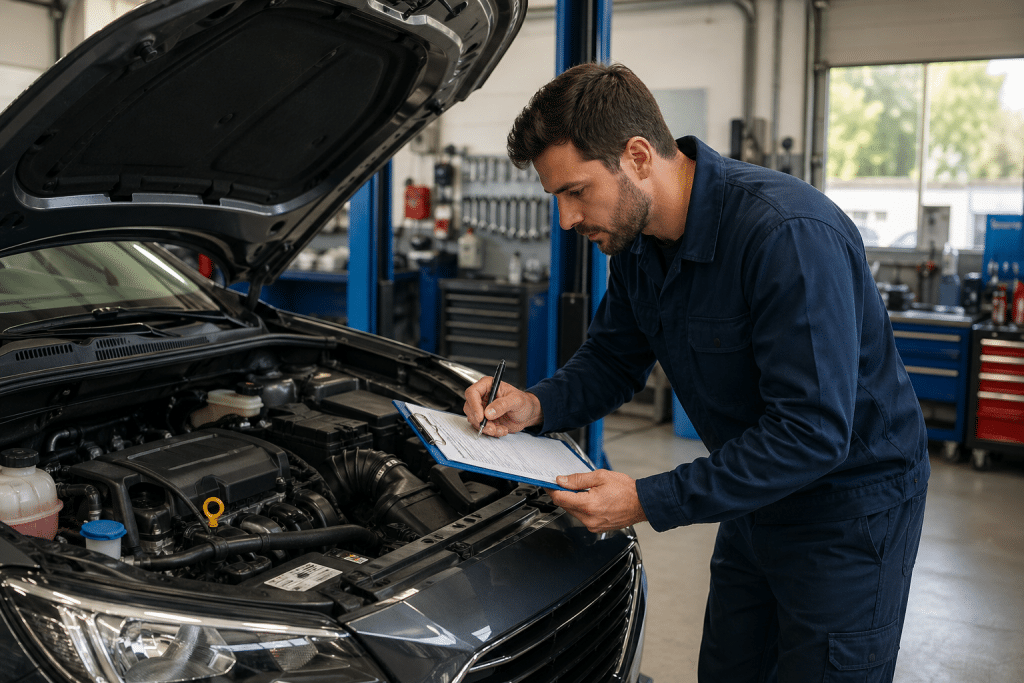
Vehicle inspections cover all the basics. Technicians will examine your brakes, suspension, and steering for wear and tear, tyres and alignment for safety, lights and indicators for visibility, plus all the vital fluids (oil, coolant, brake fluid) and electricals (battery, alternator, fuses).
What Is Included in a Vehicle Inspection in Melbourne
They’ll even check safety items like seat belts, airbags (if fitted), and windscreen wipers to make sure nothing fails when you need it most.
In Victoria, this inspection often results in a Roadworthy Certificate (RWC) – a legal stamp that your car is safe to drive on the road.
- Brakes & Steering: Wear on pads or discs? Fluid leaks? Proper alignment and suspension? All flagged here.
- Tyres and Wheels: We inspect tyre tread depth, irregular wear, and proper inflation to avoid blowouts or loss of control.
- Lighting and Indicators: All your lights and indicators must work and be set up properly. Imagine driving without lights!
- Engine Fluids and Engine: Your engine oils and coolants are tested for any possible leakage or contamination, as even small leaks can become serious problems.
- Electrical System and Battery: An electrical failure or a bad connection means your car won’t start. We make sure this doesn’t happen.
- Safety Features: Working seatbelts, airbags, and windshield wipers mean you are safe and secure while driving.
A thorough inspection flags these issues at the “paper cut” stage, rather than the “broken bone” stage. As one collision repair centre puts it, “Regular inspections help identify these problems early, preventing them from turning into costly repairs”.
Why Melbourne Drivers Need Regular Checks
Melbourne’s conditions can be tough on cars. Our wet winters, hot summers and sudden weather swings stress components differently than a constant climate would. Also, with the average Aussie car now over 10 years old, drivers are keeping older vehicles on the road. An ageing fleet needs more attention, not less.
Industry experts highlight the broad benefits of inspections. The Australian Automotive Aftermarket Association (AAAA) emphasises that “Vehicle safety inspections save lives, reduce emissions, and improve vehicle reliability”. In other words, a check isn’t just to avoid repair bills – it keeps everyone safer.
There’s a practical side too: in Victoria, you’re required to get an RWC to sell or transfer a car’s registration. So by staying on top of inspections, you make that process seamless and avoid fines. Plus, buyers (or dealers) tend to pay more for cars with a documented history of checks.
A vehicle with a clean safety check record often fetches a higher resale price because it signals the owner didn’t neglect maintenance. It’s like having a glowing medical report for your car – people trust it more.
Signs Your Car Needs a Vehicle Inspection
Unusual sounds produced by your car, like squeaking of the brake or any sound coming from your engine and vibration while driving, can be a good indication that a vehicle inspection is required.
Early wear of the car parts, such as brake components, suspension, and engine parts, might cause these kinds of noises. Vehicle inspection at a professional auto repair shop will prevent you from possible problems and ensure the safety and stability of your car.
Loosely turning wheels, pulling on one side, and sudden changes in fuel economy can be symptoms of improper tyre alignment or faulty engines and suspensions. Vehicle inspection will help you detect these problems in a timely manner to avoid failures in the future.
How Vehicle Inspections Help Prevent Expensive Repairs
- Preventing Leakages: Vehicle inspection will detect any leakages that might occur in the engine oil, coolant and other systems. Timely repair of these problems will prevent overheating and engine failure, among others.
- Inspection for Brake Wear: During a vehicle inspection, mechanics carry out an assessment on the condition of all brake parts. This helps in detecting any early signs of wear to prevent damage to the brake system.
- Early Detection of Tyre Wears and Alignments: Wear of tyres, alignment or even under-inflation might lead to poor handling of the vehicle and affect the fuel consumption rate. These conditions can be detected through vehicle inspection.
- Prevention of Battery and Belt Malfunctions: An inspection will help to detect any problems related to the battery, belts and wiring connections. This will ensure that any possible malfunctions do not occur suddenly.
- Minimising Potential Damage To The Vehicle: Many vehicle problems may go unnoticed until major damage occurs. Through inspection, problems can be detected early enough to reduce any damage.
- Vehicle Safety and Reliability: Vehicle inspection plays a significant role in ensuring that all the important systems of a vehicle perform as required.
Advantages of Periodic Vehicle Inspection for Good Condition
Periodic vehicle inspection becomes a great tool in helping keep your car in a healthy state throughout its lifetime. Mechanics have a chance during the process of inspection to find any early wear signs in some of your car’s most vital systems, like brake pads, tyres, fluids, and suspension systems.
Moreover, vehicle inspection greatly contributes to improving car driving performance and safety. Some of the mentioned problems, such as worn-out brakes or tyres, will inevitably result in your car’s bad handling. Finally, periodic vehicle inspection will increase your car’s resale value, saving you money in the end.
How Preventive Vehicle Maintenance Helps Avoid Expensive Repairs
To put it in perspective, compare these actions and outcomes:
| Action | Possible Fix/Repair if Ignored | Outcome | Action |
| Annual Safety Check (Roadworthy) | Brake pad replacement | The car stays safe with only minor repairs needed | Annual Safety Check (Roadworthy) |
| Skip Inspection | Engine rebuild | Car breaks down, leading to major repairs and towing expenses | Skip Inspection |
| Change Oil & Filter (Service) | Seized engine repair | Severe engine damage and expensive repairs | Change Oil & Filter (Service) |
| Replace Brake Pads (Early Wear) | Warped discs or ABS repair | Brake repairs become far more expensive | Replace Brake Pads (Early Wear) |
| Fix Tyre Alignment (Minor Adjust) | Multiple new tyres or accident liability | Fix Tyre Alignment (Minor Adjust) |
This table clearly shows how proactive vehicle maintenance helps prevent costly repairs by identifying small issues before they become major problems.
DIY Checks and Professional Inspections
You might handle some basics yourself – like checking tyre pressure, oil level or lights. But many faults hide from the untrained eye. You won’t spot worn ball joints without lifting the car or a slow transmission leak without measurement.
Official inspections, especially licensed Roadworthy checks in Victoria, must be done by approved testers. These pros have calibrated tools and know the regulations. And remember, an official RWC (or logbook service) requires a professional stamp.
Cutting corners here isn’t worth the risk: one faulty bulb or undetected crack could cost much more later. It’s like doing your own medical scan with a thermometer instead of a full doctor exam.
Key takeaways: catching small faults during an inspection means cheaper fixes; it improves fuel economy and resale value; and it keeps you legal on Victorian roads. As one industry report notes, “a small investment in regular checks can prevent expensive repairs”.
Conclusion:
Don’t let the worst-case scenario catch you unawares. View an annual vehicle inspection as an essential form of preventative medicine for your automobile. With early detection of potential problems and consistent maintenance, Melbourne motorists can look forward to better driving experiences and minimal emergency phone calls to their mechanic. Your automobile will thank you!
Want to dodge that unforeseen quadruple-digit expenditure? Arrange your vehicle inspection or service appointment right away. This is one little thing that goes a long way and helps you avoid costly repairs down the road.
Book now your vehicle inspection and drive with peace of mind knowing that your car is in capable hands.
Frequently Asked Questions
How often should I get my car inspected in Melbourne?
Aim for at least once a year, typically at rego renewal or when selling the vehicle. If you have an older car or drive frequently, biannual checks can catch issues sooner. Remember, Victoria mandates a roadworthy check whenever transferring ownership.
What’s the difference between a service and an inspection?
A service (like a logbook service) focuses on oil changes and scheduled tune-ups. A vehicle inspection (RWC or pre-purchase check) focuses on safety components and legality. Both matter: performance service and inspection for safety and compliance.
Can I do inspection tasks myself?
You can do minor checks: fill fluids, ensure lights work, and monitor tyre condition. But licensed testers have the equipment and expertise for a complete safety certificate. They’ll spot issues you might miss.
Will an inspection really stop big repairs?
While no check is magical, an inspection greatly reduces surprises. Catching early wear on brakes, tyres or engine parts before they fail means you fix or replace components at a fraction of the cost. It’s all about nipping problems in the bud.