


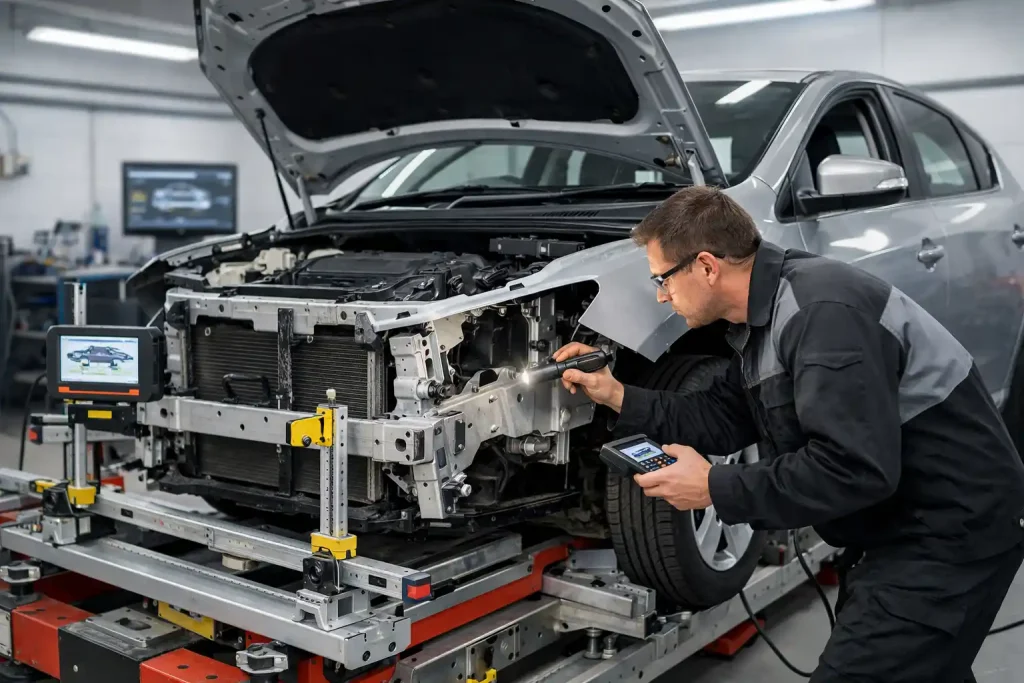
A fleet vehicle repair quote is easier to assess when you provide clear photos, vehicle details and an accurate description of the damage before booking downtime. For Australian fleet managers, sending the right information early can help a panel shop understand the likely repair scope and identify whether an in-person inspection is required.
Whether you manage two work utes or a larger commercial fleet, unexpected body damage can disrupt schedules. Before taking a vehicle off the road, collect enough information for the repairer to make an informed initial assessment. You can also review the vehicle repair services available through Swaggys Panel Shop before submitting your vehicle details.
What Should You Send for a Fleet Vehicle Repair Quote?
The quality of the information you provide can affect how accurately a repairer can assess the damage before seeing the vehicle.
Start with these details:
- Vehicle make, model and year
- Registration number
- Clear photographs of the damaged area
- Wider photos showing the whole side, front or rear of the vehicle
- Close-up photos of dents, cracks, scratches or displaced panels
- A short explanation of how the damage occurred
- Details of any warning lights or driving problems
- Your preferred repair timeframe
- Insurance or claim information, if applicable
Swaggys Panel Shop allows customers to upload vehicle damage online, which can make the initial assessment process easier before arranging a workshop visit.
Take Photos That Clearly Show the Damage
A single close-up image usually does not provide enough context. A technician needs to see both the damaged component and how it sits in relation to surrounding panels.
Take photographs in good daylight where possible. Avoid heavy shadows, reflections and angles that hide the shape of a dent.
For example, if the front bumper has been damaged, photograph the entire front of the vehicle as well as the bumper itself. Include the bonnet, headlights, grille, wheel arches and panel gaps.
Damage that looks cosmetic in one photograph can sometimes involve brackets, mounting points or neighbouring components. Clear images help the repairer identify areas that may need closer inspection.
Include Details About How the Damage Happened
Tell the repairer what happened, even if the damage appears minor.
A vehicle that scraped against a bollard may have a different repair requirement from a vehicle that experienced a direct impact. If another vehicle struck the front corner, for example, there may be damage behind the visible bumper.
You do not need to provide a long explanation. A simple description such as “front passenger side hit at low speed while parking” gives useful context.
For more significant frontal impacts, read more about vehicle front-end damage repairs before submitting your vehicle details.
Mention Any Changes in How the Vehicle Drives
Body damage is easy to photograph, but mechanical or structural symptoms may not be visible.
Tell the repairer if you notice:
- Steering pulling to one side
- Unusual tyre rubbing
- Warning lights
- Difficulty opening the bonnet, doors or boot
- Headlights or indicators no longer working correctly
- Panels touching the tyres
- New noises after the impact
Do not continue using a fleet vehicle simply because the visible damage appears small if you suspect it may be unsafe.
Australian vehicles must remain roadworthy, and damage affecting lighting, steering, visibility or structural components may make further driving inappropriate. If you are uncertain, contact Swaggys Panel Shop to discuss whether the vehicle should be driven to the workshop or transported.
Why Vehicle Details Matter Before Planning Downtime
Include the exact make, model and year when requesting a fleet vehicle repair quote.
Different vehicles use different body panels, mounting systems, sensors and safety equipment. Some newer fleet vehicles also have parking sensors, cameras or advanced driver assistance systems incorporated into bumpers and other body components.
Knowing the exact vehicle helps the repairer consider which components may be involved before an inspection.
It also helps distinguish between a simple cosmetic repair and a job that could require replacement parts or additional testing.
Do Not Assume a Photo Quote Is the Final Repair Scope
Photos are useful for an initial assessment, but they cannot reveal every type of damage.
A bumper may appear scratched while mounting brackets behind it are cracked. A dented guard may conceal damage around mounting points. Components may also move slightly after an impact without appearing obviously damaged in photographs.
Because of this, treat an initial fleet vehicle repair quote or assessment as a planning tool unless the repairer confirms otherwise.
A workshop inspection may identify additional repairs once the vehicle can be examined properly. You can view the full range of panel beating and vehicle repair services before arranging an inspection.
Check Whether Multiple Areas Were Damaged
Fleet vehicles often collect existing scratches and dents during daily operation. When requesting a repair assessment, clearly identify which damage relates to the current incident.
For example, your ute might have a fresh dent in the driver’s door but an older scratch on the rear tray. Tell the repairer which areas you want assessed.
Photograph each repair area separately and label the images if you are sending several.
This is particularly useful when managing several fleet vehicles at the same time. Clear records reduce confusion between vehicles and repair requests.
Planning Fleet Downtime More Accurately
Avoid scheduling replacement vehicles or reorganising jobs based solely on your own estimate of how long the repair should take.
Repair duration can depend on the damage discovered during inspection, parts availability, refinishing requirements and whether additional components need attention.
Before finalising downtime:
- Submit clear photographs and vehicle information.
- Ask whether an in-person inspection is required.
- Confirm the expected repair scope.
- Discuss likely parts requirements.
- Confirm a workshop booking before removing the vehicle from normal operations.
If you want to start the process before visiting the workshop, you can upload your smash details online.
Keep Records for Every Damaged Fleet Vehicle
Maintaining a simple damage record can save time when several vehicles require attention.
Record the registration, driver, date of incident, damaged area and photographs. Keep copies of correspondence, repair assessments and insurance documents together.
For larger fleets, use the same process every time damage occurs. Consistent records make it easier to identify which vehicle is being discussed and what information has already been supplied.
A properly prepared fleet vehicle repair quote request can therefore support both the repair process and your internal fleet administration.
Can You Get a Repair Assessment Without Visiting the Workshop?
In many cases, you can start the process remotely.
Clear photographs and vehicle details may allow the repairer to understand the general type and location of damage. Swaggys Panel Shop provides an online damage upload option for motorists and fleet operators who want to submit information before arranging the next step.
However, photographs cannot replace a physical inspection when damage may extend underneath panels or involve structural components.
When to Call a Professional
Contact a professional panel shop if the damage affects several panels, doors will not close correctly, lights are damaged, the vehicle drives differently or you suspect structural damage.
You should also arrange an assessment before committing to significant fleet downtime. A technician can explain whether the vehicle requires a straightforward body repair, replacement components or further inspection.
Visit the Swaggys Panel Shop website to learn more about the business, or contact the team to discuss a damaged fleet vehicle.
Conclusion
Before requesting a fleet vehicle repair quote, collect clear damage photos, vehicle details, incident information and notes about any changes in how the vehicle drives. Providing this information early gives the repairer a clearer picture of the likely work while helping you avoid planning downtime based on incomplete information.
If one of your fleet vehicles has been damaged, upload your smash details or visit Swaggys Panel Shop to arrange an assessment before changing your fleet schedule.
FAQs
What photos should I send for a fleet vehicle repair quote?
Send several clear photos showing the entire damaged area, close-ups of individual dents or scratches, and wider images showing surrounding panels. Include different angles so the repairer can understand the position and extent of the damage.
Can a panel shop give an accurate quote from photos?
Photos can help with an initial assessment, but some damage may only become visible during a physical inspection or once damaged components are removed. The repairer may therefore need to inspect the vehicle before confirming the full repair scope.
Should I stop using a fleet vehicle after minor body damage?
Not necessarily. Cosmetic scratches or small dents may not affect vehicle operation. However, stop using the vehicle and seek advice if the damage affects steering, tyres, lights, doors, visibility or other safety-related components.
Should I book fleet downtime before getting the vehicle assessed?
It is generally better to have the damage assessed first. The repairer can then explain the expected work and whether parts or further inspections may affect the repair schedule.